

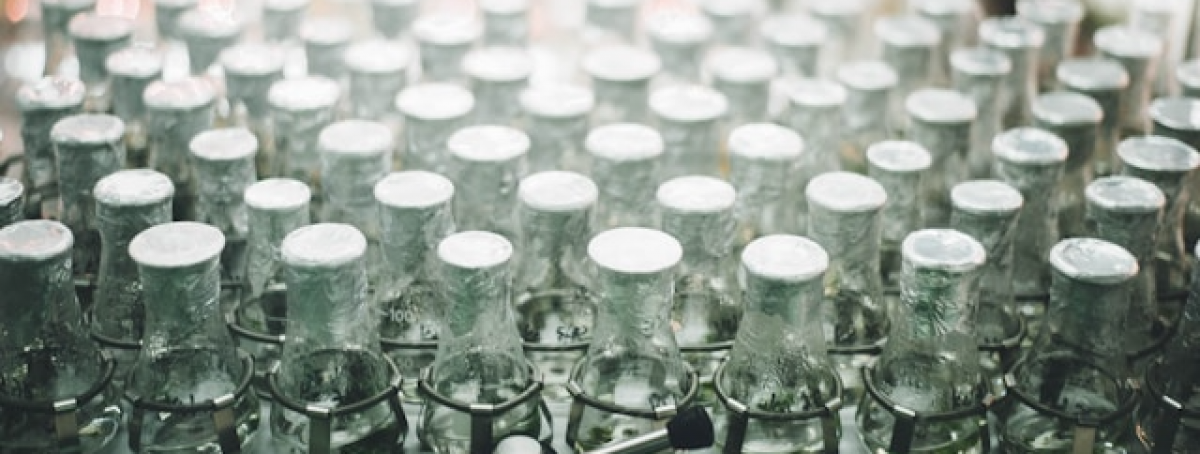
Global demand for glass packaging is rising sharply. The global container glass market, valued at $68.65 billion (€63.5 billion) in 2024, is forecast to reach $95.70 billion (€88.5 billion) by 2033 at a 3.76 per cent compound annual rate. Sustainability regulation, beverage and pharmaceutical premiumisation, and the retreat from single-use plastics are reinforcing the structural case for glass. Ireland, an established importer and re-exporter, is well placed to convert that momentum into manufacturing capability.
The Irish glass bottle and container market can capitalise on these trends provided manufacturers prioritise circular operations and supply chain resilience. Three imperatives define the path forward: strengthening domestic production capacity, deepening circular material flows, and leveraging Ireland's EU regulatory alignment to compete for premium demand in the sector's fastest-growing segments.
Ireland's glass container trade is tightly coupled to the UK. The UK supplies 74 per cent of Irish glass container imports by value, while Ireland absorbs 24 per cent of outbound UK glass shipments, making it the UK's largest single export destination. This bilateral dependency exposes Irish buyers to logistics disruption and pricing pressure. Investing in domestic forming capacity and supplier diversification would reduce that exposure while preserving the UK as a volume anchor.
Circular manufacturing is the sector's most significant growth lever. Over 80 per cent of glass containers in Europe are recycled, with an EU target of 90 per cent by 2030. Yet Ireland's Circularity Gap Report records a national circularity metric of just 2.7 per cent, with over 97 per cent of materials from virgin sources. Research in the International Journal of Applied Glass Science confirms that higher cullet content reduces energy use, carbon emissions, and unit costs.
Pharmaceutical and premium beverage demand offers structural upside. According to Mordor Intelligence, surging GLP-1 and biologics pipelines are driving pharma fill-finish expansion, with Gerresheimer reporting EUR 898.6 million in 2024 primary packaging glass revenue. Ireland's life sciences base positions domestic producers in this high-margin segment, while the country's growing distillery sector creates home-market demand for premium bespoke bottles.
Three actions would sharpen competitive positioning. First, manufacturers should engage with Ireland's Circular Economy Strategy 2026-2028 to develop sector-specific cullet collection programmes, expanding recycled content and cutting raw material costs. Second, long-term supply agreements with pharmaceutical and premium spirits producers would secure demand in margin-accretive segments. Third, investment in lightweight glass forming technology would reduce carbon intensity and open export markets where sustainability credentials are a procurement requirement.
Ireland's glass container sector enters a period of structural opportunity. EU regulation favours infinitely recyclable materials, domestic policy supports circular investment, and life sciences and beverage demand is durable. Manufacturers that build circular supply chains and deepen sector relationships now will be positioned to lead, not merely participate in, the market's expansion.
(The views expressed by the writer are his/her own and do not necessarily reflect the views or positions of BusinessRiver.)







.png)