
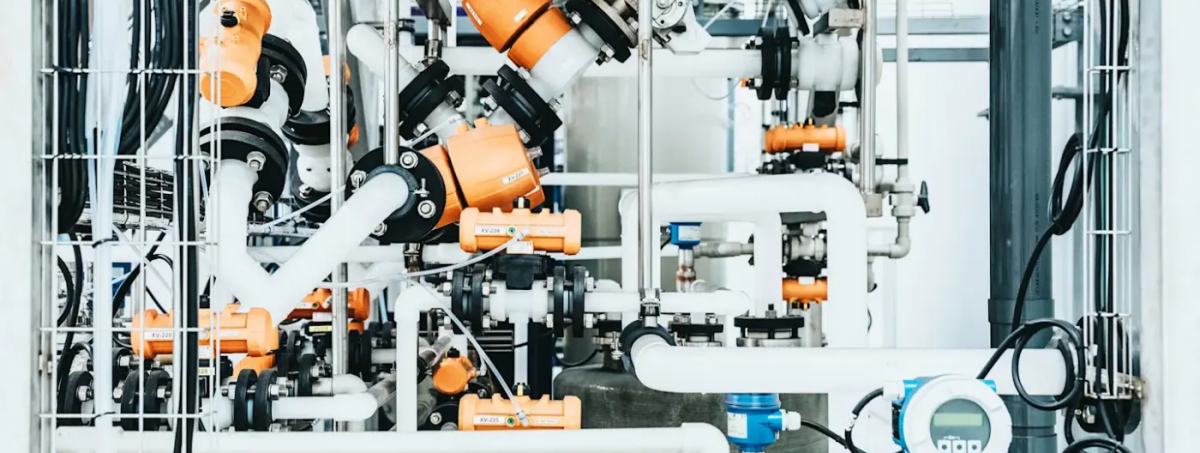
Nexeon has raised £100m in a funding round that includes £52.6m from the National Wealth Fund, giving UK battery manufacturers a prospective domestic source of silicon anode materials as the company develops a pilot manufacturing facility and expands its advanced manufacturing technology unit.
Korea Development Bank and Honda Xcelerator Ventures are also new investors, and the funding will support research and development in the UK and create a number of highly skilled jobs; the size and timing of the pilot facility were not disclosed.
The announcement follows Honda’s investment in May, which supports commercialisation of Nexeon’s silicon anode technology and the ramp-up of its first large-scale production facility in Gunsan, South Korea, already operational and designed to make silicon-carbon anode materials at industrial scale.
Panasonic agreed in 2023 to use materials from Gunsan in lithium-ion cells made at its battery plant in Kansas, US, with the UK pilot facility intended to underpin domestic production alongside the Korean site.
Nexeon, based in Oxfordshire, develops silicon-based anode materials for lithium-ion batteries that can increase energy density, improve charging speeds and potentially extend EV range; the National Wealth Fund is a UK government-owned investor in clean energy and infrastructure.
Oliver Holbourn, CEO of the National Wealth Fund, said backing advanced battery technology is key to building a globally competitive UK EV supply chain, and that the investment will help unlock private capital, support high-value jobs and drive regional growth. Dr Scott Brown, CEO of Nexeon, said the investment endorses the company’s technology.
The round reflects public capital backing UK battery materials as well as cell plants, with a pilot facility that would sit upstream of domestic cell manufacturing.
The timing tracks a fast-growing category, with the battery silicon anode material market estimated at $1.15bn in 2026 and forecast to reach $20.33bn by 2035, though published forecasts vary widely.
For the sector, a UK state-owned fund, a Korean state-backed bank and a Japanese carmaker’s venture arm show battery materials drawing capital from several governments and industries.
The wider signal for the sector is that anode material developers are scaling in stages, from industrial production in South Korea to a UK pilot plant, ahead of larger domestic capacity.
Source: electrive.com / Business Research Insights




.png)